
RECENT POSTS


Purse Organization for Busy Women, Made Simple
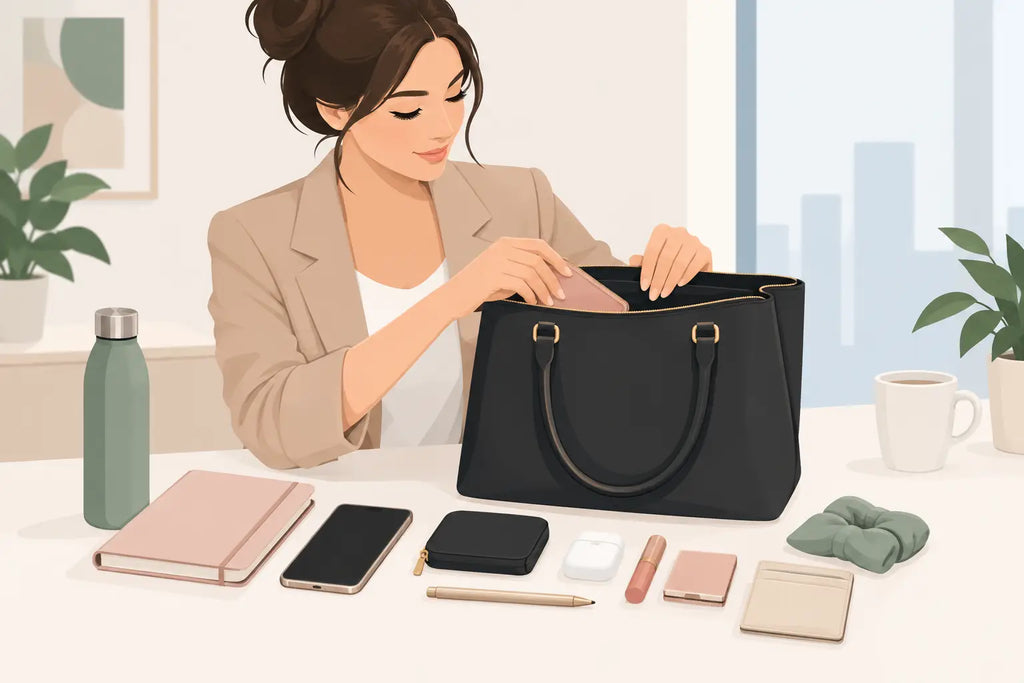
The moment your phone rings while you are balancing coffee, keys, and a growing to-do list is not the moment to dig through receipts for your lip balm. Purse organization for busy women is not about making your bag look perfect for a photo. It is about creating a daily system that supports the life you are actually living - work, errands, school pickup, travel, appointments, and every confident entrance in between.
A well-organized bag gives you one less decision to make. It keeps the essentials close, protects the things you do not want loose at the bottom, and lets your personal style stay visible even on the fullest days. Your bag can carry your schedule and your statement.
Start With the Life Your Purse Needs to Support
Before buying another pouch or moving items from one compartment to another, take a clear look at what your day requires. A woman commuting into an office needs a different setup than someone moving between client meetings, a campus schedule, and evening plans. The goal is not to carry everything. The goal is to carry what makes you feel prepared.
Think in three categories: must-have items, helpful backups, and situation-specific extras. Your phone, keys, wallet, and medication may belong in the must-have category. A charger, hair tie, stain wipe, or compact may be useful backups. A notebook, kid snacks, travel documents, or gym items only need to come along when the day calls for them.
This distinction matters because an overfilled purse turns every small task into a search. Edit often. If something has not served you in weeks, it may not deserve daily bag space.
Give Every Essential a Home
The fastest way to make a purse feel calmer is to stop letting small items float freely. Loose items create clutter quickly, especially the tiny things you need most: earbuds, lip products, hand sanitizer, pens, charging cords, and bobby pins.
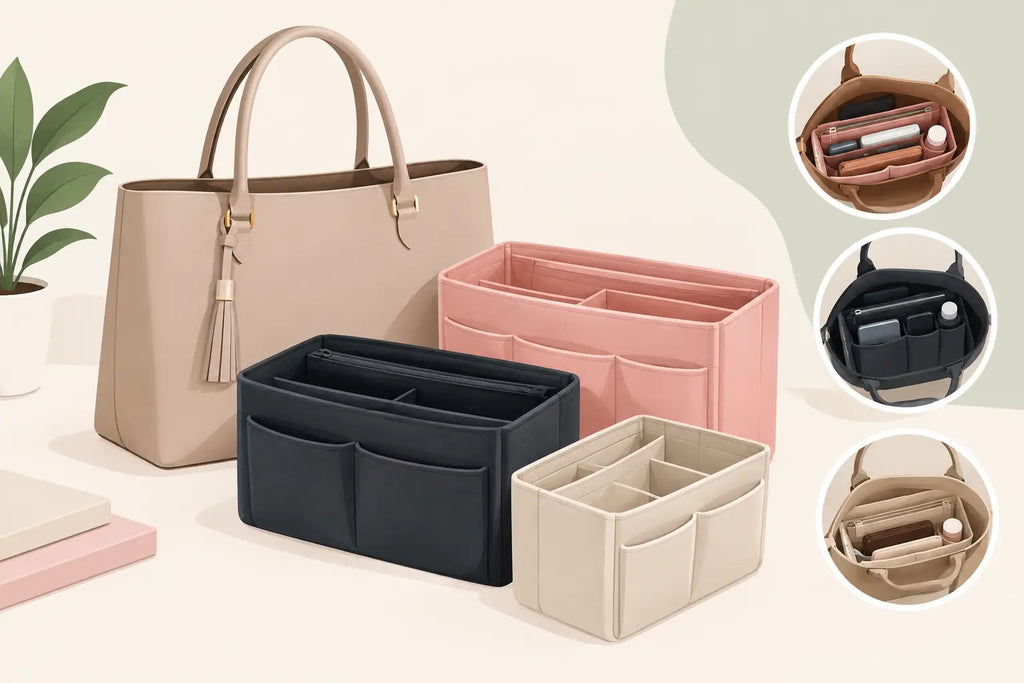
An organizer insert gives your bag structure and creates assigned places for the items you reach for repeatedly. It is especially useful when you like switching handbags, because you can move the insert instead of rebuilding your whole system. A zip pouch works beautifully for personal care items or a small confidence kit with lip color, mints, tissues, and a mirror.
Your wallet should hold what you actually use, not every card you have ever received. Keep your most-used payment card, ID, insurance card, and a small amount of cash accessible. Store loyalty cards digitally when possible. Less bulk in your wallet means more room for the pieces that support your day.
Create Zones That Make Sense for You
Purse organization works best when your setup follows your natural habits. If you always reach for your phone with your right hand, place it in the same easy-access pocket each time. If keys are the first thing you need when you get home, give them a consistent spot rather than dropping them into the main compartment.
A simple zone system can look like this: quick-access items near the top, valuables in a secure interior area, and support items inside a pouch or organizer. You do not need a complicated formula. You need a pattern you can repeat without thinking.
Keep the items you use several times a day visible and within reach. Your phone, keys, wallet, and lip balm should not compete with chargers, receipts, and the random items that collect after a long week. Deeper storage is for things you need occasionally, not constantly.
Protect the bottom of your bag
The bottom of a purse tends to become a catchall. Put anything that could spill, leak, or shed crumbs into a closed pouch. This includes pens, beauty products, snacks, and hand lotion. It is a small habit that protects your bag and makes cleaning it much easier.
Receipts deserve their own temporary home, too. Use one slim pocket or envelope-style pouch, then clear it out once a week. This keeps a necessary paper trail from becoming permanent clutter.
Build a Bag That Can Change With Your Schedule
The most useful purse is not necessarily the biggest one. A larger bag can hold more, but it can also invite you to carry more than you need. Choose a size based on your usual day, then use pouches and organizers to adjust for busier moments.
For a lighter day, carry your core essentials with a small personal-care pouch. For work, add a charger, notebook, and any items needed for your commute. For travel or a full family day, add one purpose-driven pouch for documents, snacks, or kid essentials instead of scattering those items throughout the bag.
This is where a modular accessory system earns its place. A bag, organizer, wallet, and zip pouch can work together without forcing you to start over every time your plans change. At Status Bags, that same flexible mindset extends to the front insert: change the message in seconds, then let your bag reflect the energy you want to carry into the day.
A Faith In The Process statement may be exactly what you need before a demanding appointment. A Building Mindset message can meet you on a goal-driven workday. The practical pieces keep you organized; the message reminds you who you are while you handle what is next.
Use Your Strap and Bag Style With Intention
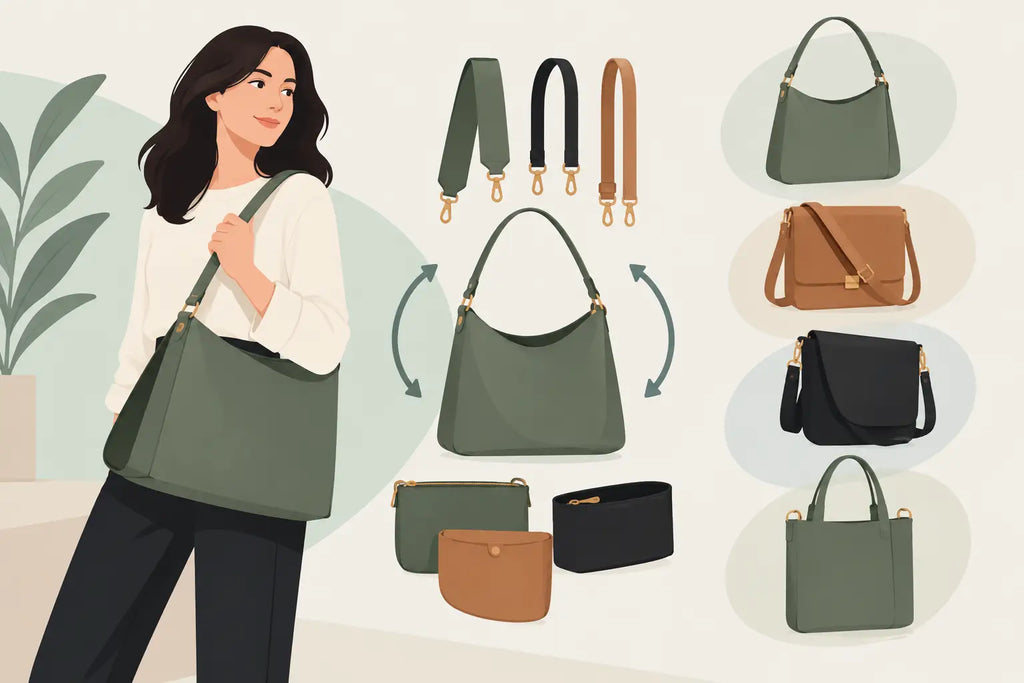
Organization is also about how comfortably you can move. If you are juggling a coffee, phone, and train card, a crossbody strap can free your hands and keep your purse secure. If you are headed to a meeting or dinner, a shorter shoulder carry may feel more polished. The best choice depends on your day, your outfit, and how much you are carrying.
An interchangeable strap helps a familiar bag feel fresh while serving a practical purpose. Choose a wider, more supportive option when your bag will be heavier. Choose a dressier style when the contents are light and the moment calls for a more elevated finish.
Your bag does not have to look purely functional to work hard for you. Structure, color, hardware, a meaningful front message, and a coordinated strap can all make organization feel like part of your style rather than another chore.
Reset Your Purse in Five Minutes
The secret to staying organized is not one giant cleanout every few months. It is a quick reset that prevents clutter from becoming normal. Pick a consistent time - after work on Friday, before Sunday plans, or when you come home from a trip - and return your purse to its baseline.
Remove trash, receipts, empty wrappers, and items that belong elsewhere. Refill what is running low, such as tissues, mints, or hand sanitizer. Check that your charger is still packed if you rely on it. Then return each essential to its assigned spot.
If you switch bags often, keep your daily essentials together in an organizer or a few dedicated pouches. You will spend less time transferring items and are far less likely to leave behind something important. The only thing you should have to decide in the morning is which look and message feel like you.
Let Your Bag Support Your Status
A purse should not become another source of friction in a packed day. When everything has a place, you move with more ease, find what you need faster, and carry less mental clutter from one responsibility to the next.
Keep your system simple enough to maintain, flexible enough for real life, and personal enough to make you smile when you reach for it. Your bag carries the essentials, but it can also carry a reminder: you are prepared, you are purposeful, and you get to show your status.


